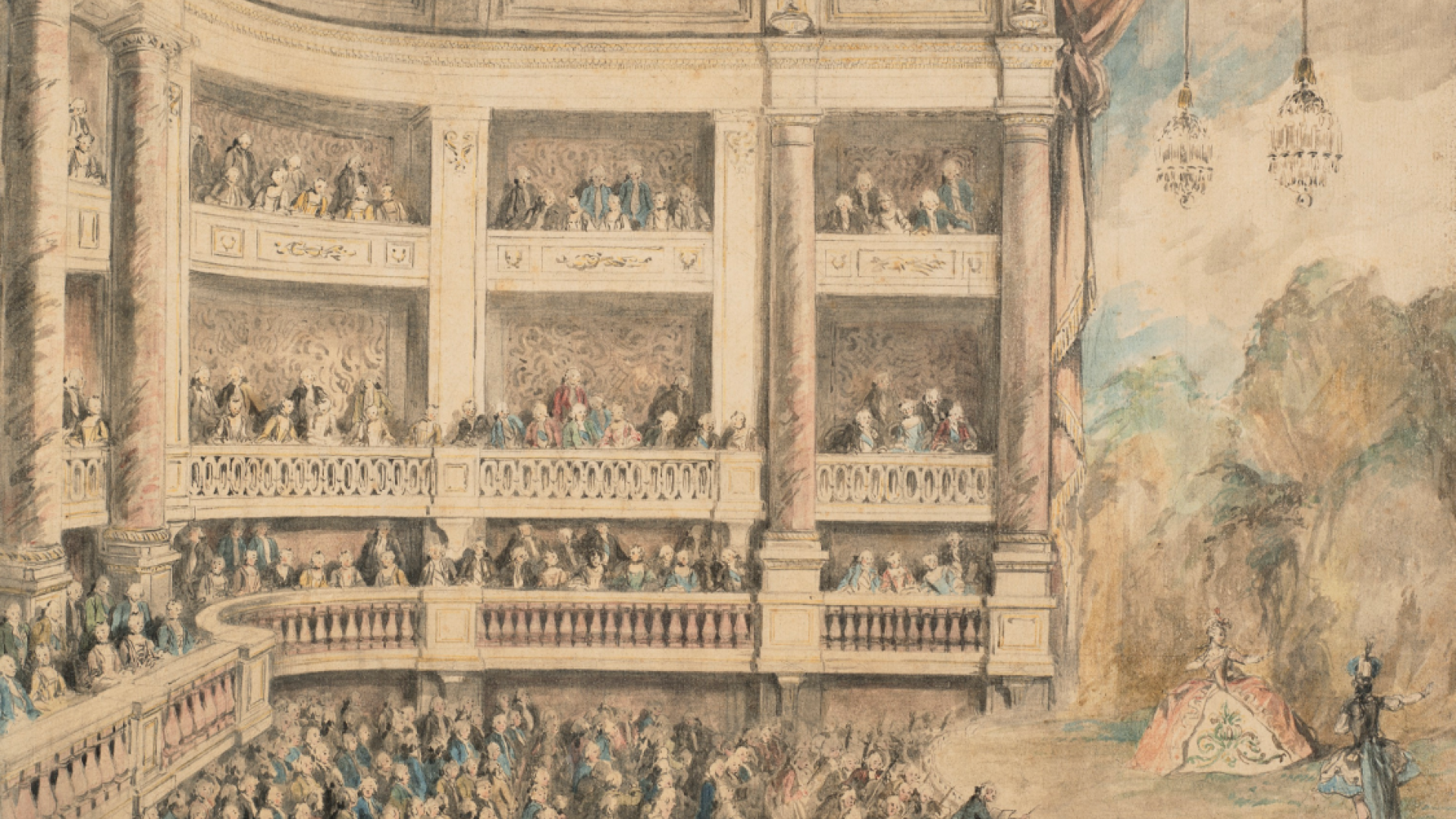


As a composer for Louis XIV’s Chapel and a master of both the petit motet and the grand motet, Henry Du Mont remains one of the great musical figures of the Grand Siècle. This playlist invites you to explore his entire career, from his early works, inspired by Italian modernity, to the grand motets composed for royal services. A journey into the heart of music of great expressive richness, whose power of seduction remains intact more than three centuries after its composition.






Henry Du Mont: From the Liège Region to the King’s Chapel
Playlist by Thomas Leconte, Researcher and Editorial Manager at the CMBV
As the complete scholarly edition of Henry Du Mont’s works nears completion at Éditions du Centre de musique baroque de Versailles—the final two volumes, devoted to keyboard works and plainchant, are scheduled for release in late 2026— this playlist offers a musical journey through the entire career of one of the most important composers of the French 17th century. Long overlooked despite its significance, both in quantity and quality, his work is now fully accessible to us.
Du Mont had never, however, completely faded from memory, thanks in particular to his five masses in plainchant, which resonated in French churches until the Second Vatican Council in the mid-20th century—here we hear the Credo from one of them. But the faithful were likely unaware that their composer had been one of the music masters of Louis XIV’s Chapel and one of the finest composers of his time.
Born in Looz, in the former Spanish Netherlands around 1610, Henry Du Mont belonged to the generation of musicians who helped bring about a profound renewal of French music in the mid-17th century. Settling in Paris in the 1630s, he initially pursued a career as an organist (Allemande in organ tablature, Allemande grave), notably at Saint-Paul Church, while also making a name for himself as a composer of sacred music. His proximity to the circle of the Duke of Anjou, brother of Louis XIV, subsequently facilitated his entry into the court: as the prince’s harpsichordist (Pavane), he was appointed organist to Queen Marie-Thérèse in 1661—a position he would hold concurrently with that of the sovereign’s Maître de la Musique—before becoming, in 1663, sous-maître (that is, maître de musique) of the Royal Chapel. Until his retirement in 1683, he thus participated in the daily musical life of the court and played an essential role in defining the sacred repertoire of Louis XIV’s reign, particularly in the development of the petit motet and the emergence of the grand motet français.
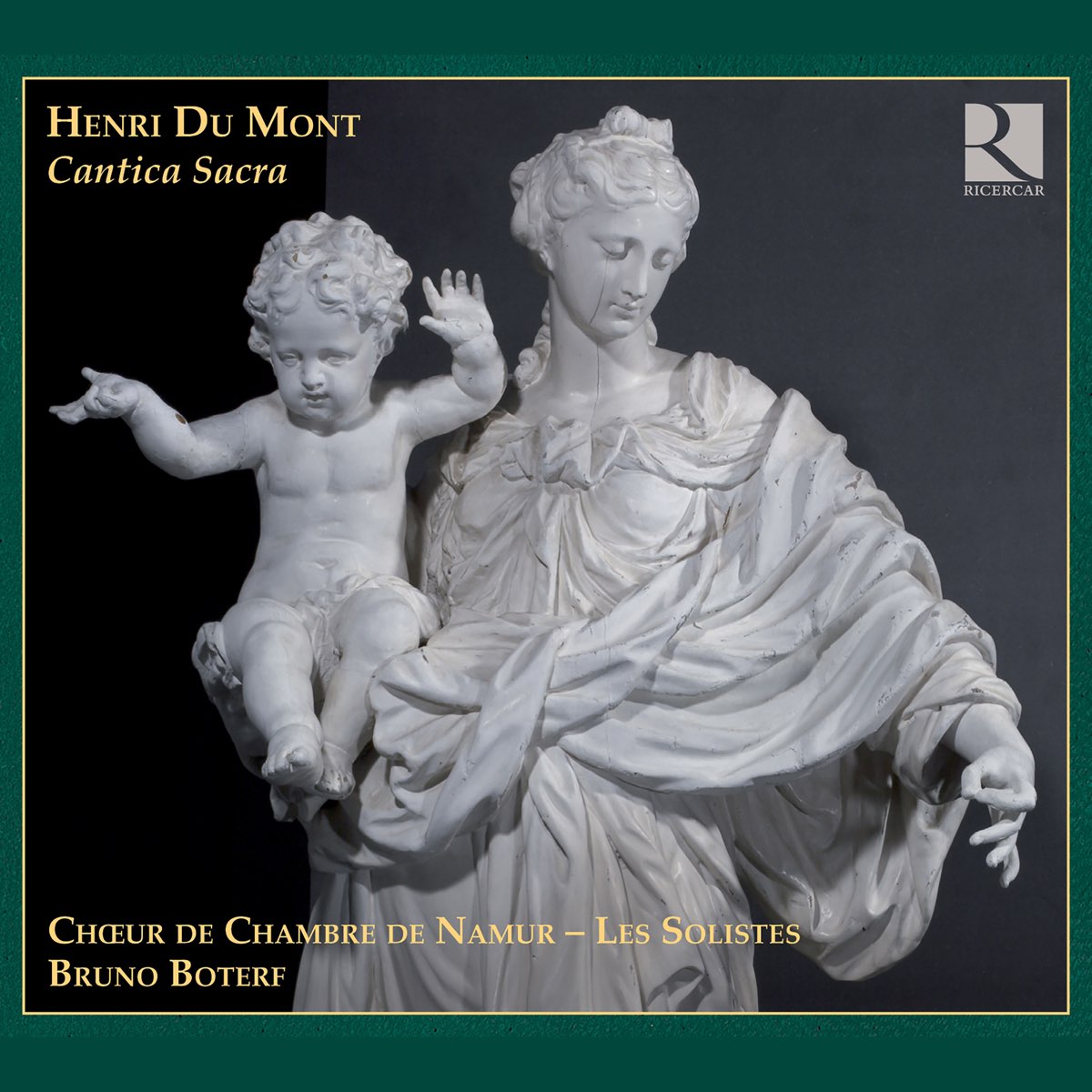
Du Mont’s early publications reveal a style that was already well established. With the Cantica sacra of 1652 (Magnificat, Vulnerasti cor meum, In lectulo meo) and the Mélanges of 1657 (Pavane, Litanies)—collections published before he joined the Royal Chapel—as well as the Airs spirituels of 1663 (Preste l’oreille à ma plainte), a distinctive musical language is already taking shape. Intended for communities of nuns and urban circles, these works reveal a musician attentive to the concertante forms and expressive language coming from Italy, yet careful to adapt them to French traditions. They rank among the earliest manifestations of a new aesthetic that would profoundly renew French sacred music.
When Du Mont entered the service of the Royal Chapel, his compositional style took on a new dimension. The Motets à deux voix, published in 1668, followed by the Motets à II, III, and IV parties of 1681 (Ave Virgo, Sub umbra noctis profundæ)—to which must be added the superb Dialogus de anima, which remains in manuscript form—comprise the bulk of his output of small motets intended for the king’s daily Mass. Du Mont was one of the leading proponents of this genre in France, to which he contributed some of its most representative examples. In these works for small ensembles, the music gains in intensity: the balance of the lines, the clarity of the text, and the flexibility of the delivery create an intimate art form, serving as a counterpoint to the grand motet, which remains the essential element of the king’s Mass. 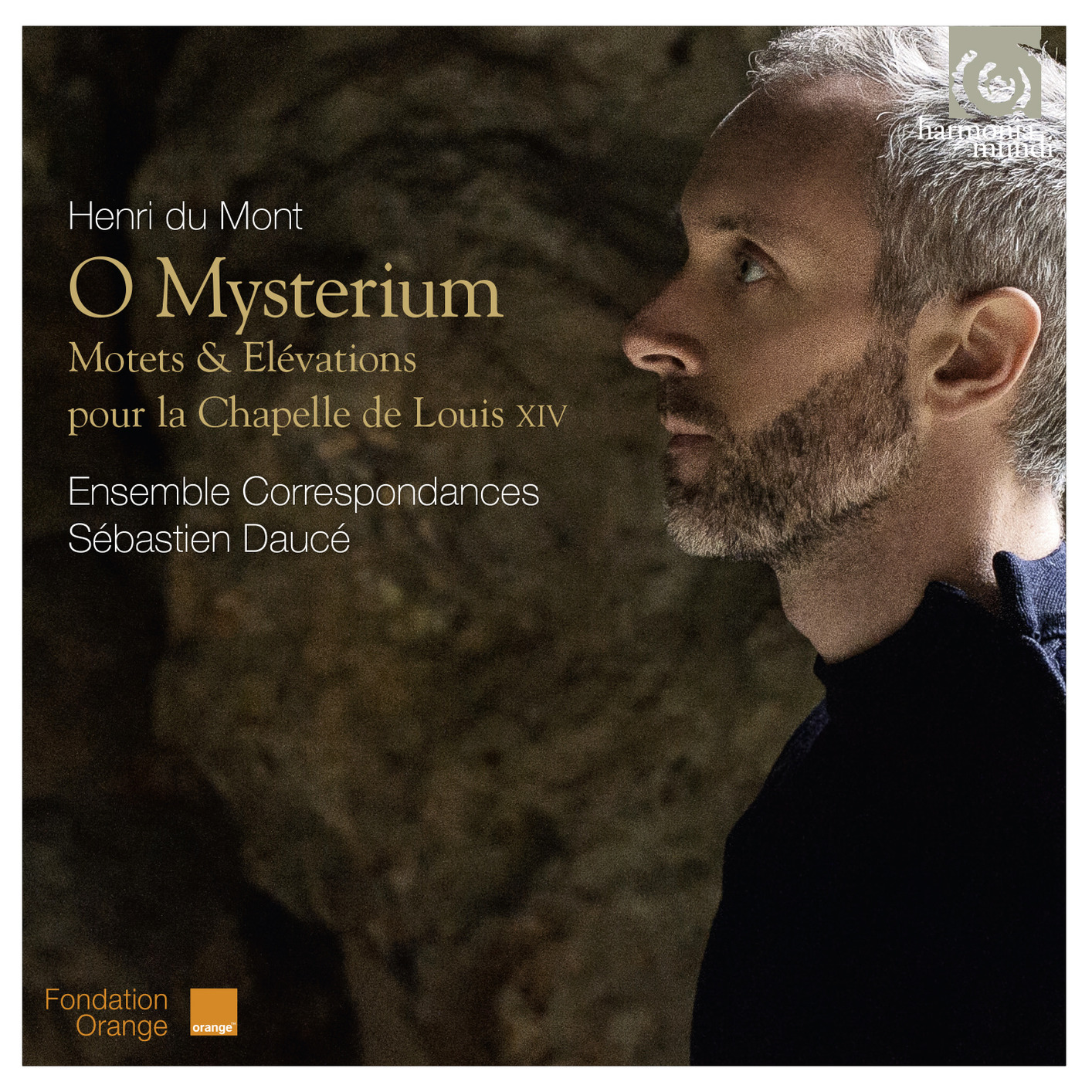
The final stage of our journey leads us precisely to the grand motet. Along with his colleague Pierre Robert and Lully, Du Mont ranks among the principal innovators of this typically French genre, which from then on occupied a central place in the music of Louis XIV’s reign. Intended for the king’s daily Mass, these grand motets combine solo voices, choir, and instruments in works of great sonic scope, which glorify the royal service. The twenty Motets for the King’s Chapel published in 1686—of which we hear three examples here, O mysterium (1666), Pulsate tympana (1669), Super flumina Babylonis (1674)—along with six grand motets preserved in manuscript form—demonstrate the full significance of this contribution and place Du Mont among the founding figures of French sacred music of the Grand Siècle.
Through these various stages, the portrait of a musician who was both heir and innovator emerges. His work bears witness to an important moment in French musical history, when the traditions of the early 17th century encountered new forms and sensibilities. More than three centuries after its composition, it retains all its expressive power and allows us to rediscover one of the major musical figures of the Grand Siècle.