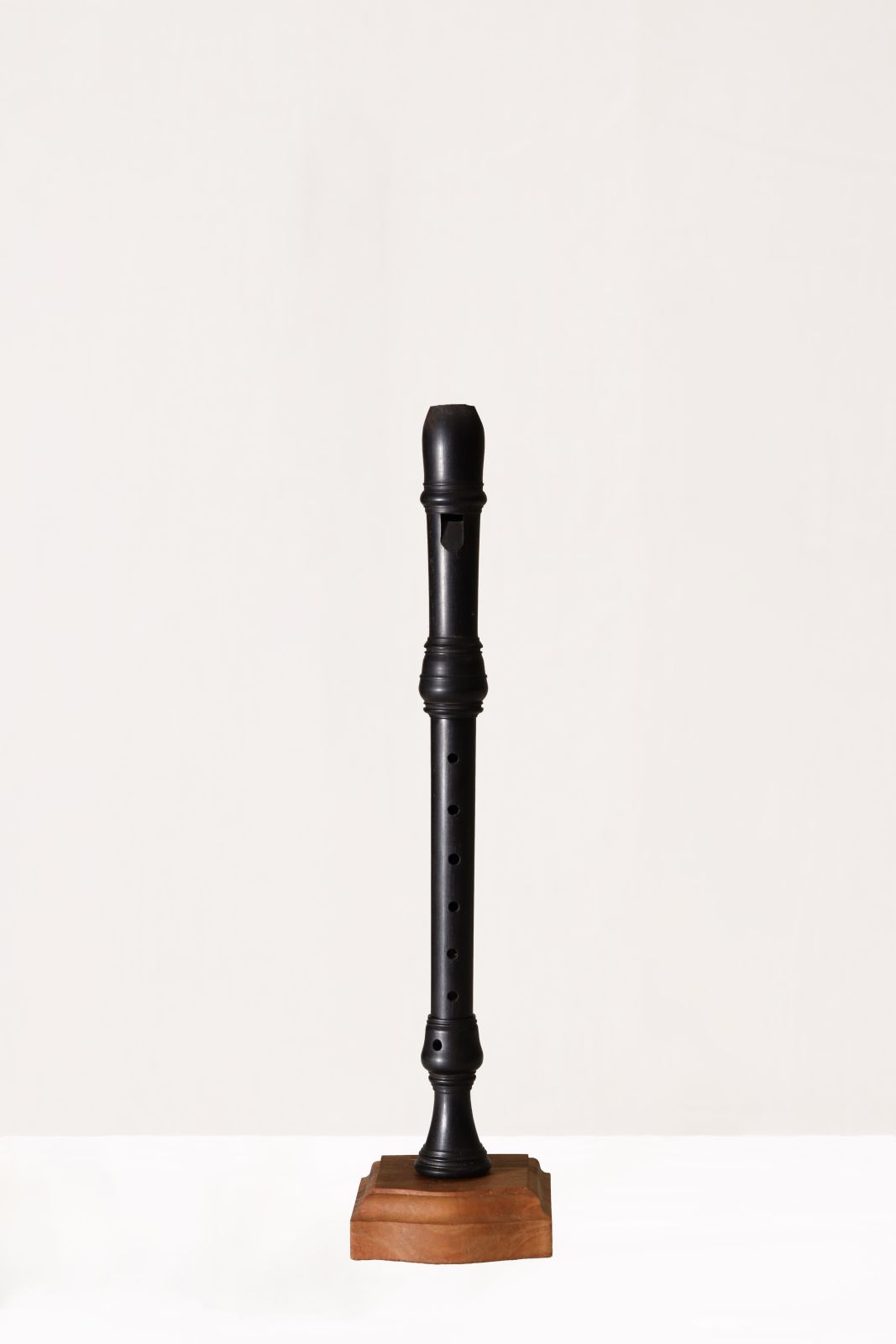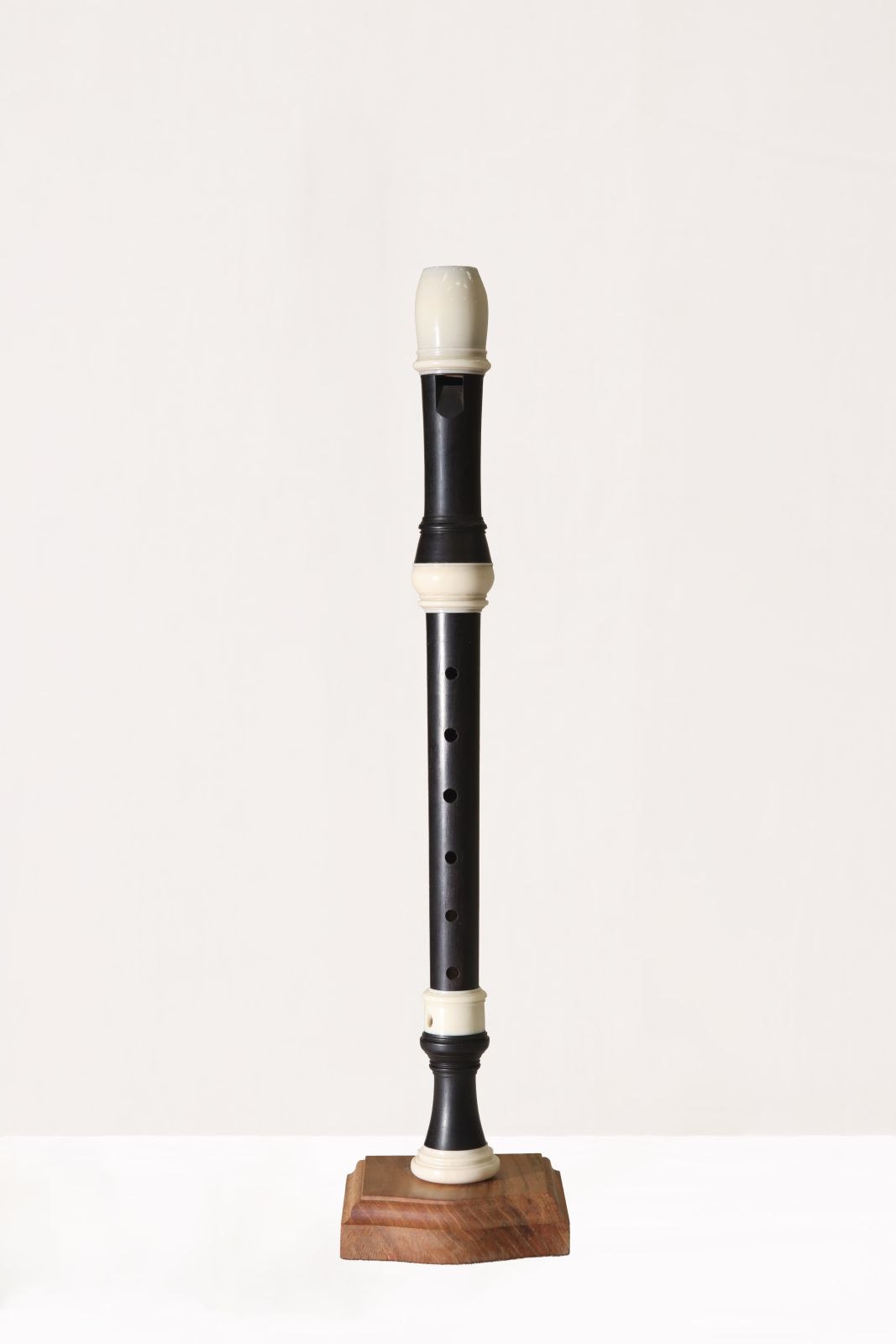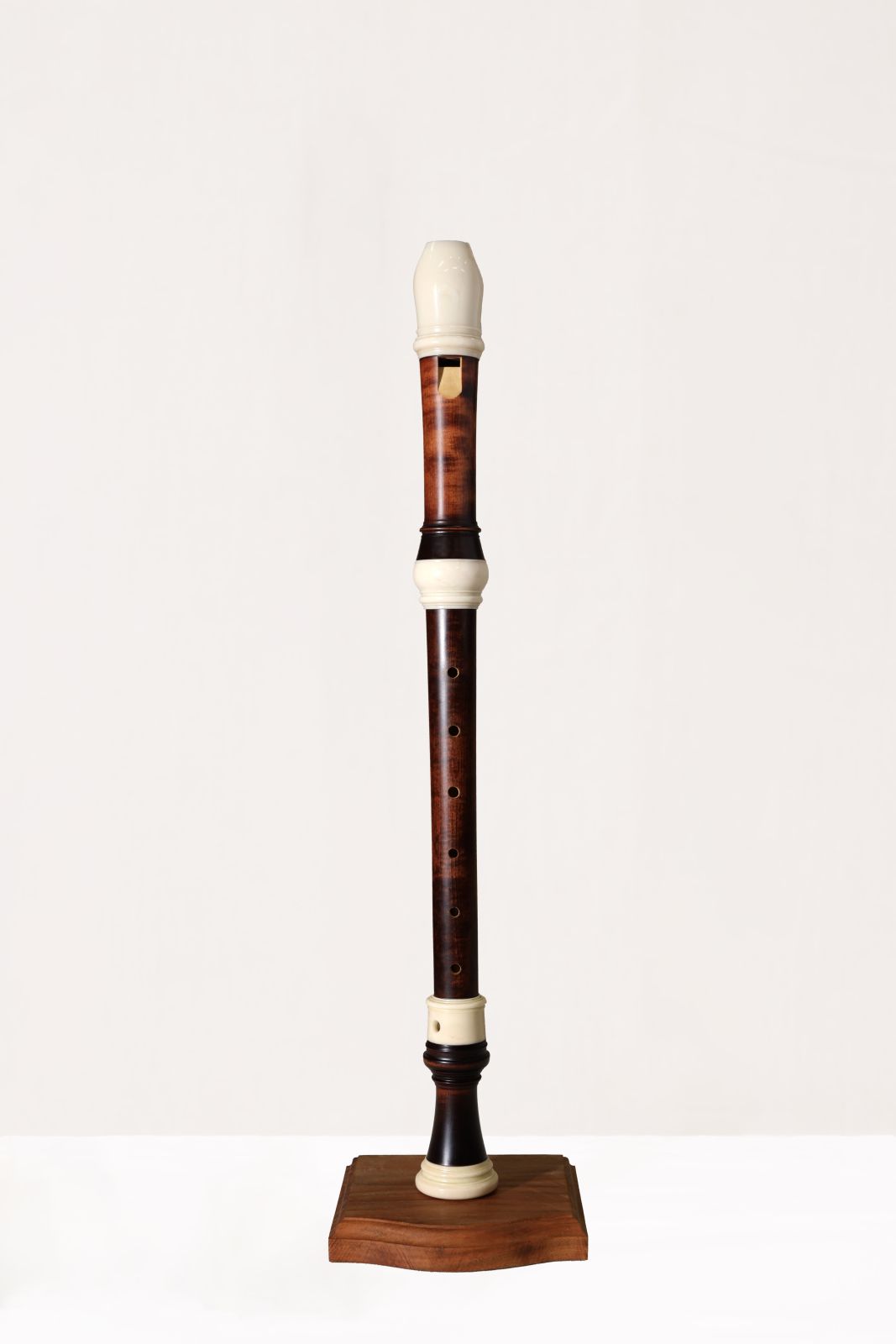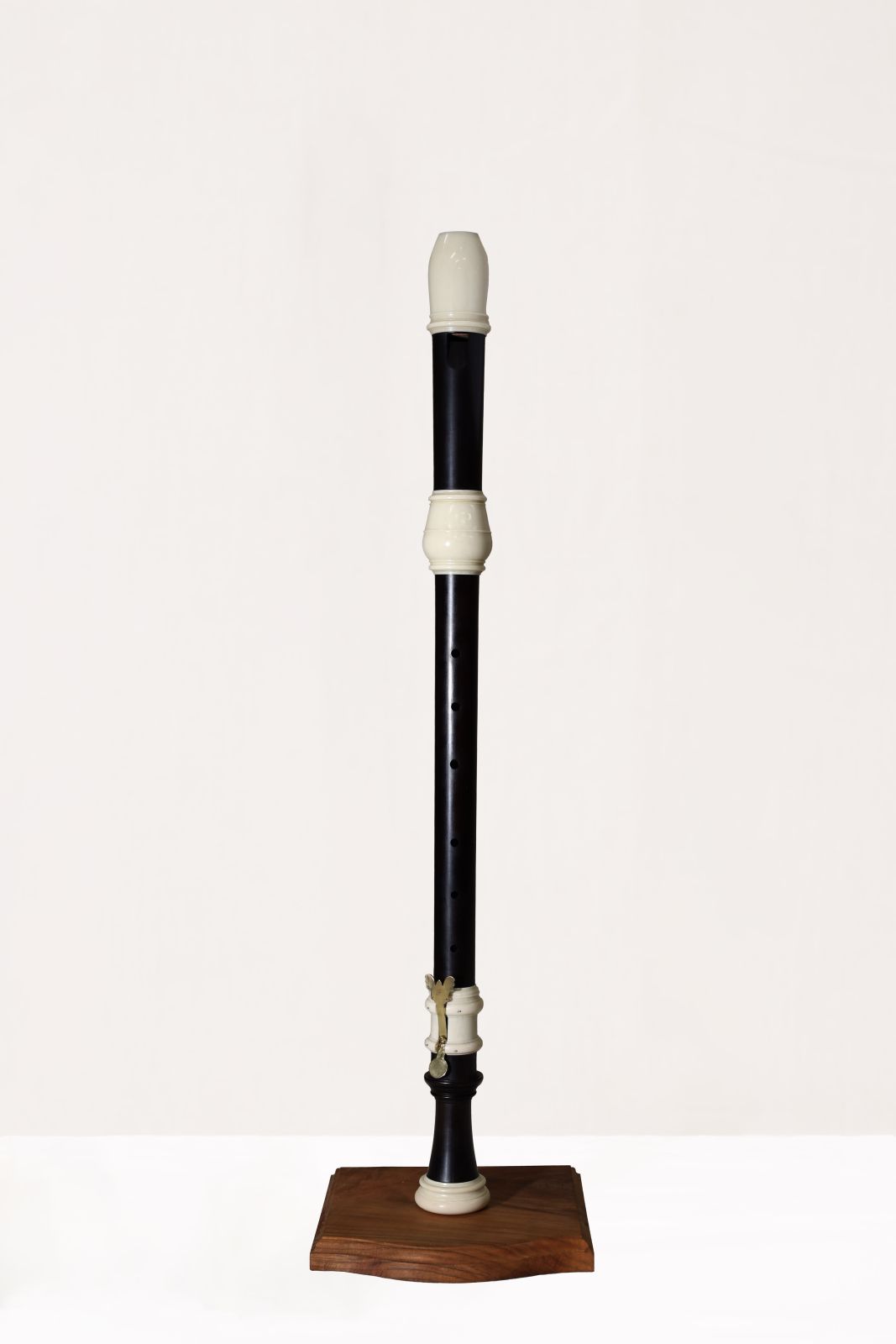
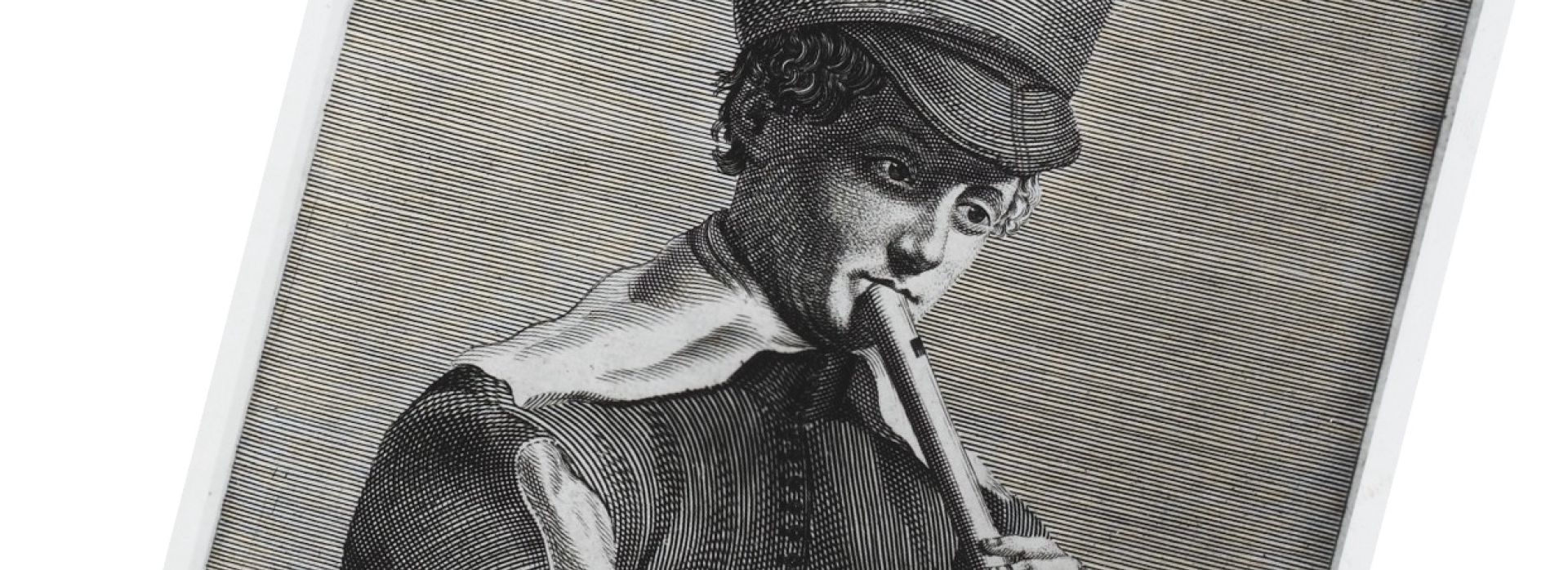

Following organological and archival research on the recorder in France at the end of the seventeenth century and its repertoire, the Centre de musique baroque de Versailles has embarked on the reconstruction of a consort, expanded with experimental contrabass recorders.
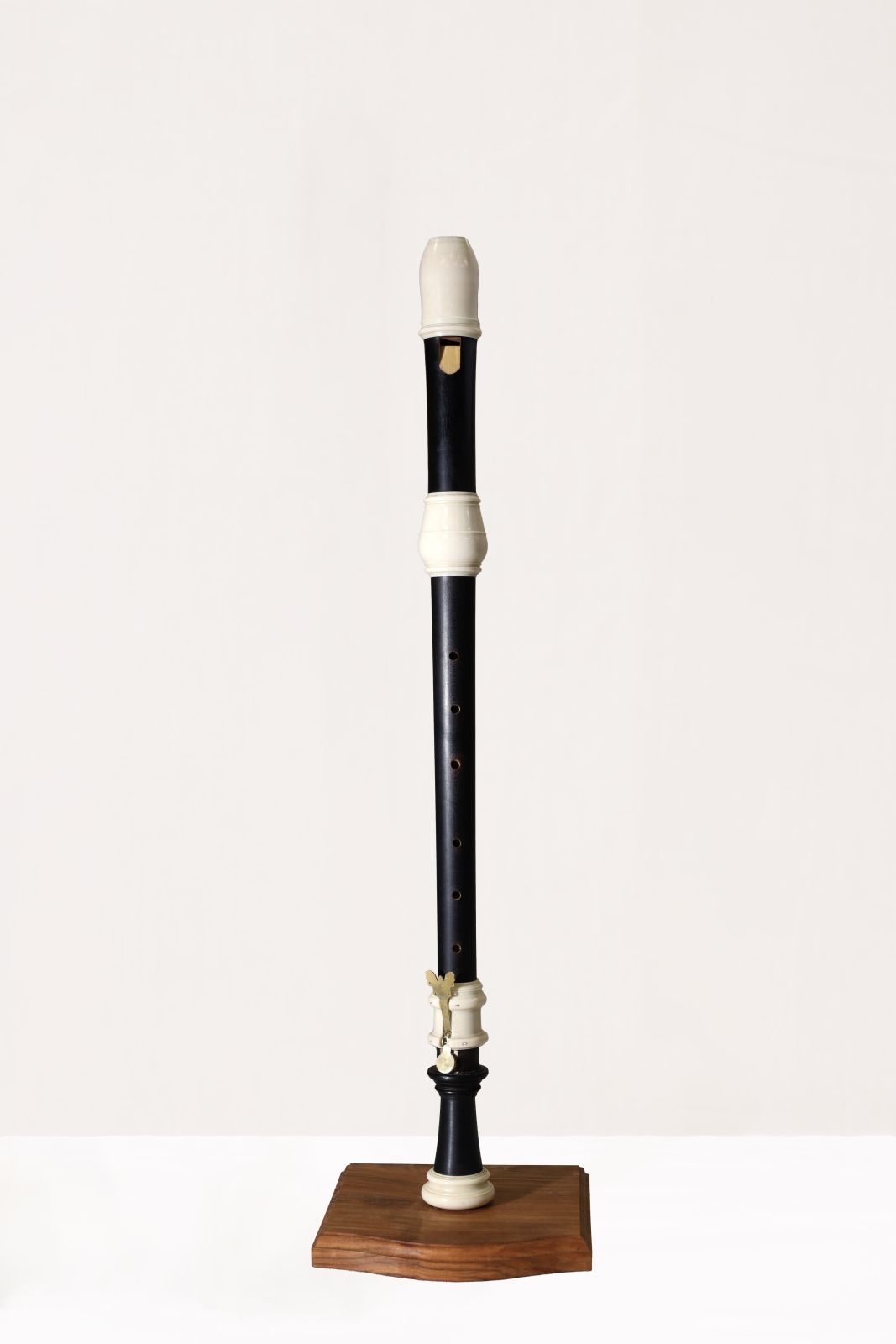
An emblematic instrument of the mid-seventeenth century, alongside the viol and the theorbo, the recorder occupies a central place in the history of French music. While it inspired a specific repertoire, it also became an integral part of the orchestra and – in ballet, opera, and instrumental suites alike – played a major role in the search for textures and colours characteristic of the French style. The famous “Sommeil” from Atys offers the most striking example of this. Yet, to this day, instruments reconstructed after French models – or at least influenced by them – and tuned to the pitches of 392 Hz and 400 Hz, both commonly used for seventeenth-century repertoire, remain rare, particularly in the tenor range. The Centre de musique baroque de Versailles therefore wished to commission the reconstruction of a complete consort (petit-dessus de flûte (sopranino), haute-contre de flûte (soprano), taille de flûte (alto), quinte de flûte (tenor), and petite basse de flûte (bass)) meeting these criteria. Two quintes de flûte (tenor recorders) have been produced (with and without key). The maker Marco Magalhães was selected by a committee of experts to construct these instruments.
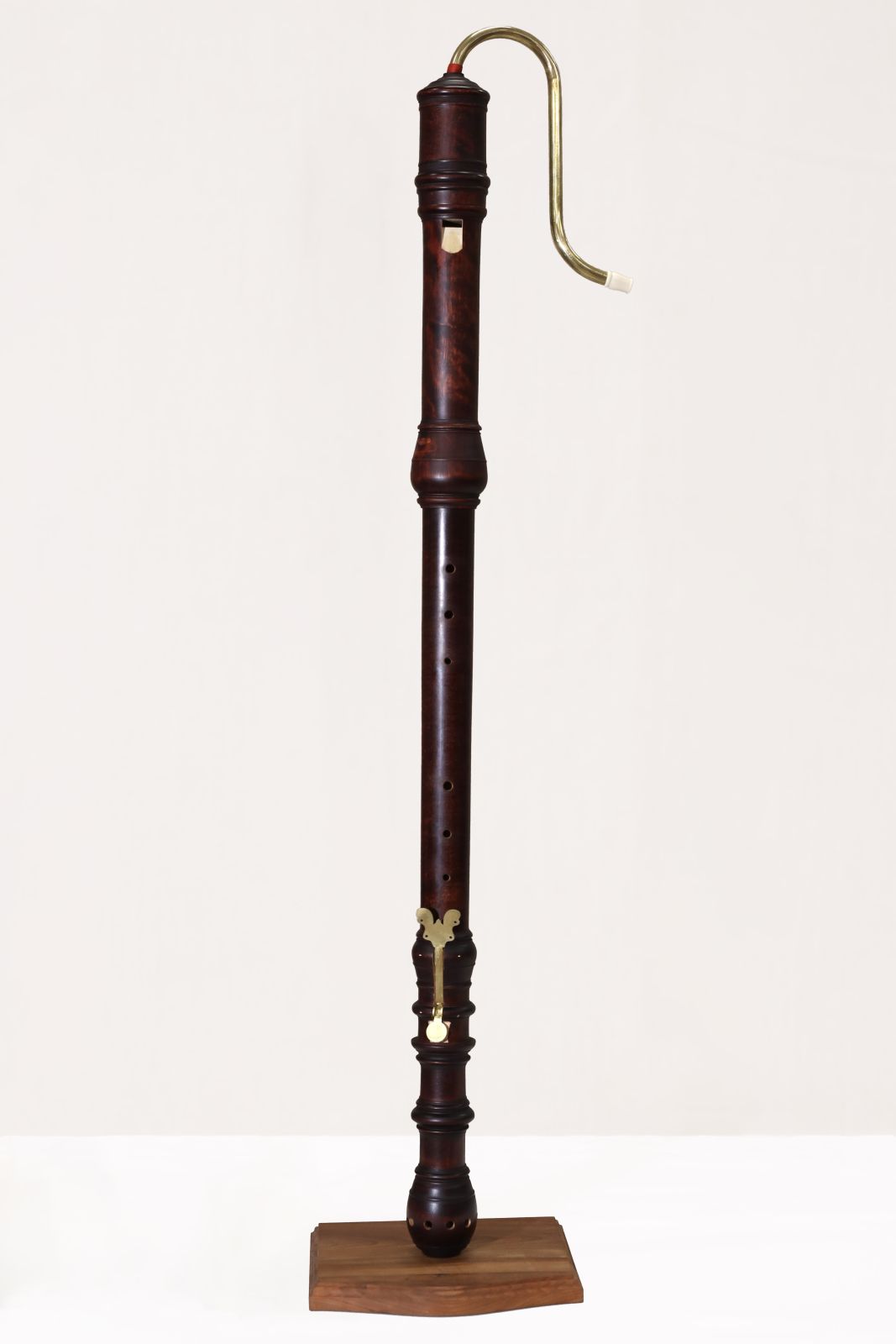
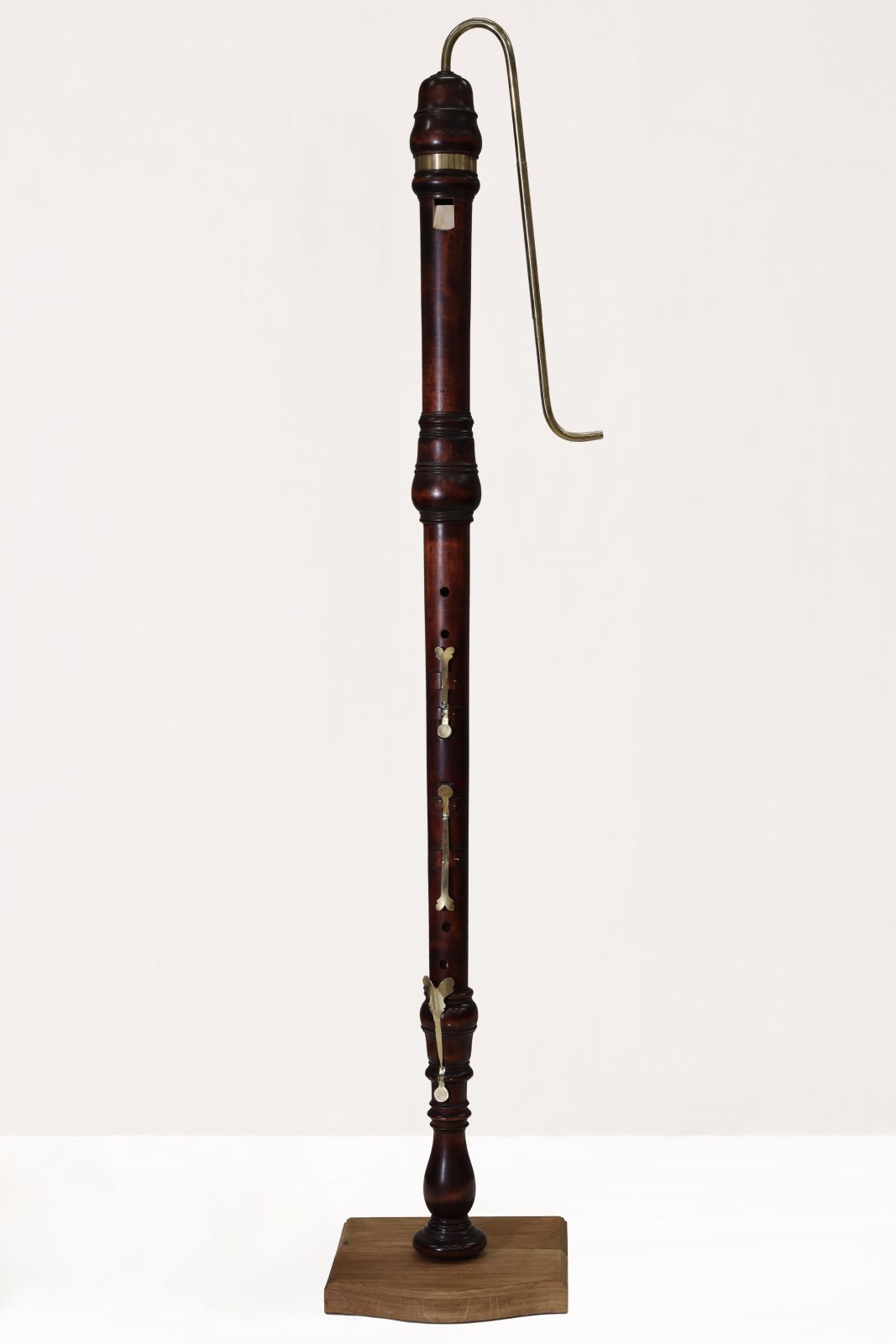
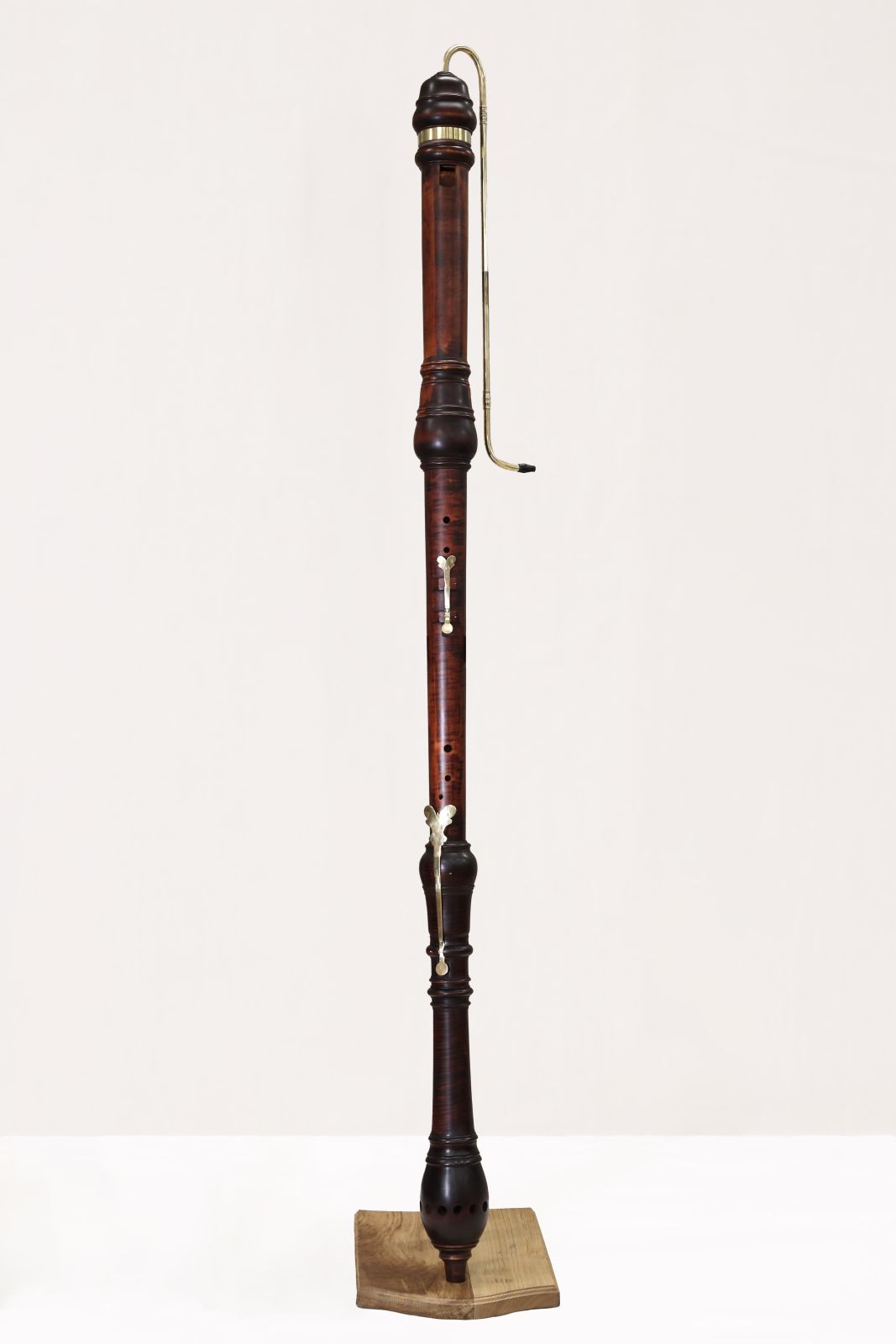
To complete the consort, specific thought was given to the “grande basse de flûte (great bass)” recorder (contrabass), mentioned by Lully as late as Le Triomphe de l’Amour (1681). Given the uncertainties surrounding this instrument, two different experimental models (in F and C) were ultimately built by the maker Henri Gohin.
In the wake of this instrument reproduction project, the CMBV can offer musicians a French baroque recorder consort:
- 1 petit-dessus de flûte (sopranino in f) at 392 Hz and 400 Hz - by Marco Magalhães ;
- 1 haute-contre de flûte (soprano in c) at 392 Hz and 400 Hz - by Marco Magalhães ;
- 1 taille de flûte (alto in f) at 392 Hz and 400 Hz - by Marco Magalhães ;
- 2 quintes de flûte (tenor in c) at 392 Hz and 400 Hz - by Marco Magalhães ;
- 1 petite basse de flûte (bass in f) at 392 Hz and 400 Hz - by Marco Magalhães ;
- 1 grande basse de flûte (great bass in c) at 392 Hz and 400 Hz - by Henri Gohin ;
- 1 grande basse de flûte (great bass in f) at 392 Hz and 400 Hz - by Henri Gohin.
Members of the steering committee for the “Seventeenth-Century French Recorders” project
- Augustin d'Arco
Recorder player and bassoonist - Tiago Freire
Cornettist, recorder player, Artistic Director of the ensemble Capella Sanctae Crucis, and Professor at the CNSMD in Lyon - Alexis Kossenko
Flautist, former Artistic Director of the ensemble Les Ambassadeurs ~ La Grande Écurie - Claire Michon
Recorder player, musicologist, and Professor - Anaïs Ramage
Recorder player and bassoonist - Jérémy Papasergio
Recorder player and bassoonist
The construction of the consort and grandes basses de flûte (contrabass recorders) was made possible thanks to the generous support of Mrs Nicole Muffat and Mr Arnoul Charoy, major patrons of the project.